
Emergency Preparedness for Pet Owners: Be ready when it matters most
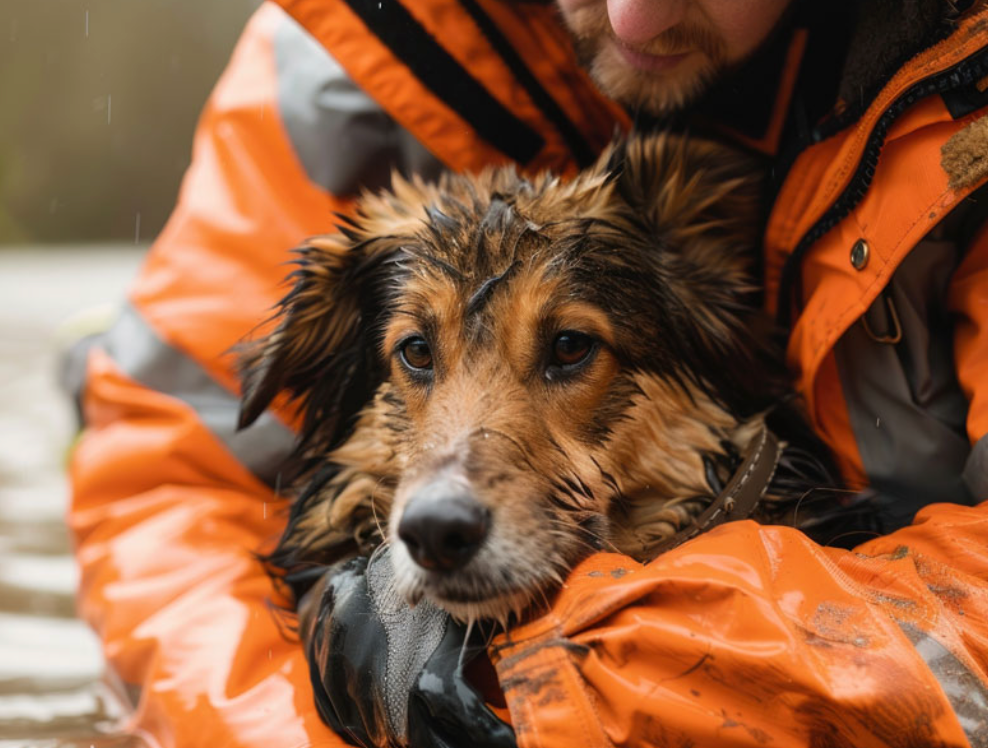
As pet owners, we do everything we can to keep our animals safe, happy and healthy. But when emergencies strike — whether it’s a cyclone, bushfire, flood or severe storm — preparation becomes critical. Having a clear plan and a well-stocked emergency kit for your pet can make all the difference in a stressful and unpredictable situation.
Why Preparation Matters
In Australia, extreme weather events are a reality of life. Evacuations can happen quickly, and services may be disrupted for days. During these times, your pet relies entirely on you. Being prepared not only protects their wellbeing but also reduces panic and confusion when every minute counts.
Build a Pet Emergency Kit
Think of your pet’s emergency kit as a “grab-and-go” bag that is always ready. Store it in an easily accessible place and check it regularly to ensure everything is up to date.
Here’s what to include:
Food and Water
- At least 3–7 days’ supply of your pet’s regular food
- Bottled water
- Portable bowls
Medication and Health Records
- Any prescription medications your pet needs
- Copies of vaccination records and medical history
- Your vet’s contact details
Identification and Safety
- Collar with ID tags (ensure details are current)
- Microchip details (keep records handy)
- A sturdy leash, harness, or carrier
Comfort and Familiarity
- Your pet’s bed or blanket
- A favourite toy or two to reduce stress
- Familiar-smelling items from home
Hygiene Supplies
- Waste bags or litter tray and litter
- Towels and cleaning supplies
Extras to Consider
- Treats for comfort and positive reinforcement
- A recent photo of your pet (in case you become separated)
- Muzzle (if required for safety in high-stress situations)
Plan Ahead
Preparation isn’t just about supplies — it’s about having a plan.
- Know where you can go: Not all evacuation centres accept pets, so identify pet-friendly accommodation or friends/family in advance.
- Transport readiness: Ensure your pet is comfortable travelling in a carrier or on a lead.
- Practice makes perfect: Run through your evacuation plan so both you and your pet are familiar with the process.
- Stay informed: Keep up to date with local alerts and warnings.
During an Emergency
- Never leave your pet behind. If it’s not safe for you, it’s not safe for them.
- Keep pets secured — frightened animals can bolt or behave unpredictably.
- Stick to their normal feeding routine where possible to minimise stress.
After the Event
Once it’s safe to return home, check your environment carefully. There may be hazards such as debris, contaminated water, or damaged fencing. Keep pets supervised until everything is secure.
Being prepared isn’t about expecting the worst — it’s about ensuring the best possible outcome if the unexpected happens. A little planning today can protect your pet’s safety, comfort and wellbeing tomorrow.