
How to Measure Your Pet for Collars, Harnesses, Coats, Boots and Socks
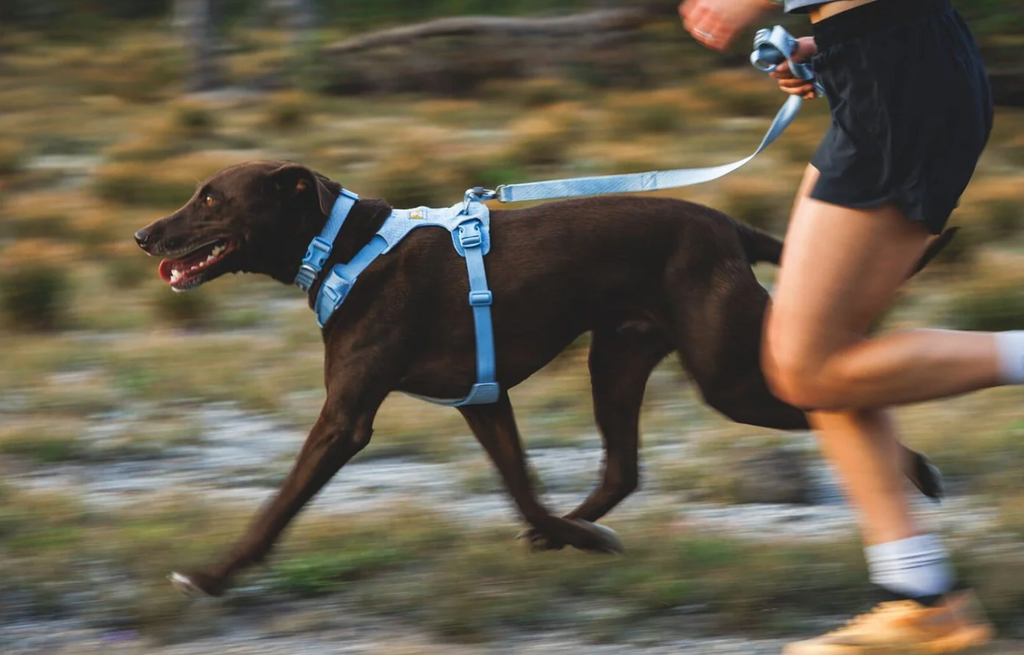
Buying pet gear online can feel a bit like online dating. The photos look great, the description sounds promising, and then it arrives looking nothing like you expected. Suddenly your dachshund is swimming in a coat designed for a small horse, or your cat is wearing a harness so loose she could walk out of it.
The good news? Measuring your pet properly is easy. The bad news? Your pet will probably act like you’re personally ruining their day.
Here’s how to get the perfect fit without losing your sanity.
Before You Start
You’ll need:
- A soft measuring tape
- Treats
- Patience
- More treats
- Possibly a second human
- Pen and paper to write down the results
Top tip 1: measure your pet while they’re standing. Measuring a sprawled-out dog mid-nap is about as accurate as guessing your own jeans size after Christmas lunch.
Top tip 2: add your measurements into the notes section of your phone, or on a piece of paper in your purse/wallet. You never know when you will stumble over the most amazing pet store.
Measuring for a Collar
This is the easiest measurement of the lot.
Where to Measure
Wrap the tape around the neck where you prefer the collar to sit. As long as it doesn’t slip off over the head, you’ve got it right.
For dogs, this is usually the middle of the neck.
For cats, keep it snug enough that it won’t catch on furniture but loose enough for comfort.
The Golden Rule
You should be able to fit two fingers comfortably between the collar and your pet’s neck for small to medium pets, three fingers for larger animals.
Too tight = uncomfortable.
Too loose = escape artist.
Cats, in particular, have a PhD in disappearing from collars.
Measuring for a Harness
Harnesses are all about the chest measurement. Ignore weight charts. A chunky Staffy and a slim Kelpie can weigh the same but fit completely differently.
Step 1: Measure the Chest Girth
Wrap the tape around the widest part of the chest, just behind the front legs.
This is the most important measurement.
Step 2: Measure the Neck
Measure around the base of the neck where the harness will sit.
Not up high where a collar sits.
Step 3: Check the Fit
Once fitted, you should still fit two fingers under the straps.
A harness should not:
- rub under the armpits
- restrict shoulder movement
- rotate around the body
- let your dog reverse out like a furry forklift
Experts consistently recommend measuring the widest part of the chest just behind the front legs for harness sizing.
Measuring for a Coat or Jumper
Pet coats should fit like a nice jacket, not a sausage casing.
Measure the Back Length
Start at the base of the neck between the shoulders and measure to the base of the tail.
Do not measure to the tip of the tail unless your dog is applying for superhero status.
Measure the Chest
Again, measure the widest part behind the front legs.
Measure the Neck
Around the base of the neck where the coat fastens.
Handy Tip
If your pet sits between sizes, re-measure and contact the seller for advice. Some brands have recommendations for sizing up or down. A good pet shop owner can advise knowing the sizes and dog breed.
Back length, chest girth and neck measurements are commonly used for pet clothing sizing.
Measuring for Boots and Socks
Yes, pets can wear boots.
No, most of them won’t enjoy the first five minutes.
Expect dramatic high-stepping, confusion, and possibly betrayal in their eyes.
How to Measure Paws
- Place your pet’s paw on a piece of paper.
- Gently press down so the paw spreads naturally, or lift the opposite paw so the dogs weight naturally spreads the paw
- Draw around the paw as closely as possible. Repeat on the rear paw as dogs often have different sized paws front and back.
- Let the dog go - they’ve done their bit.
- Measure the widest part of the paw.
- Measure the length from heel pad to end of the longest claw.
For socks, accurate width is especially important so they don’t twist around like tiny ankle warmers from the 1980s.
Best Time to Measure
Measure while your dog is standing because paws spread under weight.
Common Measuring Mistakes
Measuring Over Thick Fur
Fluff adds centimetres. Press gently through the coat for a realistic measurement.
Guessing
“Medium” means absolutely nothing across brands. One company’s Medium is another company’s “tiny pony”.
Measuring a Wriggling Puppy
Puppies grow faster than weeds after rain. If in doubt, size up.
Forgetting Adjustability
Harnesses and coats with adjustable straps are worth their weight in gold.
Final Thoughts
A properly fitted collar, harness or coat keeps your pet comfortable, safe and stylish enough for neighbourhood walks and social media fame.
Take a few extra minutes to measure properly and you’ll avoid returns, awkward fits, and the look of disappointment from your dog when their boots fall off halfway down the street.
And remember — if your cat suddenly flops sideways after putting on a harness, they are not broken. They are simply performing theatre.